
- Home
- Property Types
- Independent Living
Cost Segregation for Independent Living Facilities
Independent living sits between multifamily and senior care, and the study has to start with which side of that line the building falls on. From there, unit interiors, dining and amenity spaces, and grounds built for residents carry substantial shorter-life property.
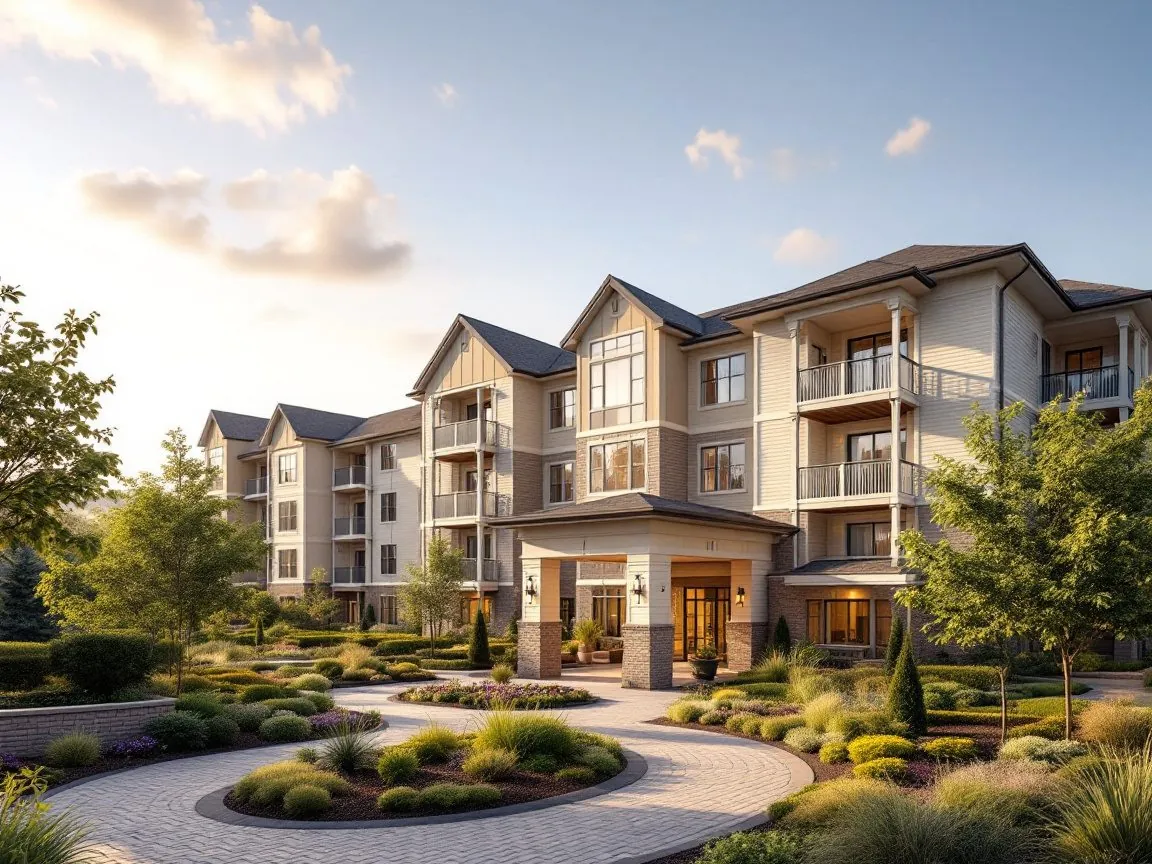
Where the value is in independent living
Large multifamily is among the property types our engineering team has deep experience studying, and independent living draws on the same unit-level work.
- Independent living communities
- Senior apartment buildings
- Age-restricted rental communities
- Independent living within continuing care campuses
Classification comes first
Whether a building is 27.5-year residential rental property or 39-year nonresidential real property depends on the facts, including the 80% residential rental income test and the services provided. That determination is your CPA's, and the study provides the detail to support it.
Units and amenity spaces
Appliances, cabinetry, flooring, window treatments and decorative lighting in resident units, and the furnishings and equipment in lounges, fitness rooms, libraries and activity spaces, are generally shorter-life property.
Dining, grounds and resident services
Commercial kitchen and dining equipment, walking paths, courtyards, landscaping, site lighting, covered drop-off areas and parking are analyzed separately from the buildings they serve.
Commonly reclassified components
Representative of what an engineered study identifies in this asset class. Actual components and recovery periods depend on the property and are documented individually in your report.
What would a study find on your property?
Send the property details. Engineering prepares the estimate, and you receive a written, fixed-fee proposal within 24 to 48 hours.
Independent Living cost segregation questions
Still have a question? Ask Engineering.
Is an independent living community residential or nonresidential for depreciation?
It depends on the facts. A building where 80% or more of gross rental income comes from dwelling units is generally residential rental property with a 27.5-year life, and the services provided and the way the property is operated can change the analysis. Your CPA makes the determination, and the study gives them component-level detail that works either way.
Can unit renovations be qualified improvement property?
QIP applies to nonresidential real property. If the building is residential rental property, unit renovations are analyzed for shorter-life personal property and land improvements instead. If it is nonresidential, interior improvements may be QIP. The classification question decides which rules apply.
We renovate units as residents turn over. Can that be studied?
Yes. Recurring unit renovations are a study population, and the finishes, appliances and fixtures being replaced can be written off through partial asset dispositions rather than left on the schedule.
Get a Commercial Savings Estimate
Fixed-fee proposal in 24 to 48 hours.
- Prepared by Engineering
- Lifetime audit defense
- NDAs available
Request your estimate
Estimates are prepared by our Engineering team.
Request received
Engineering will review the property and send your written estimate and proposal within 24 to 48 hours.
Preview site: this form is not yet connected, so nothing was sent.