
Partial Asset Dispositions
When you replace a roof, you now have two roofs on your depreciation schedule. Only one of them exists.
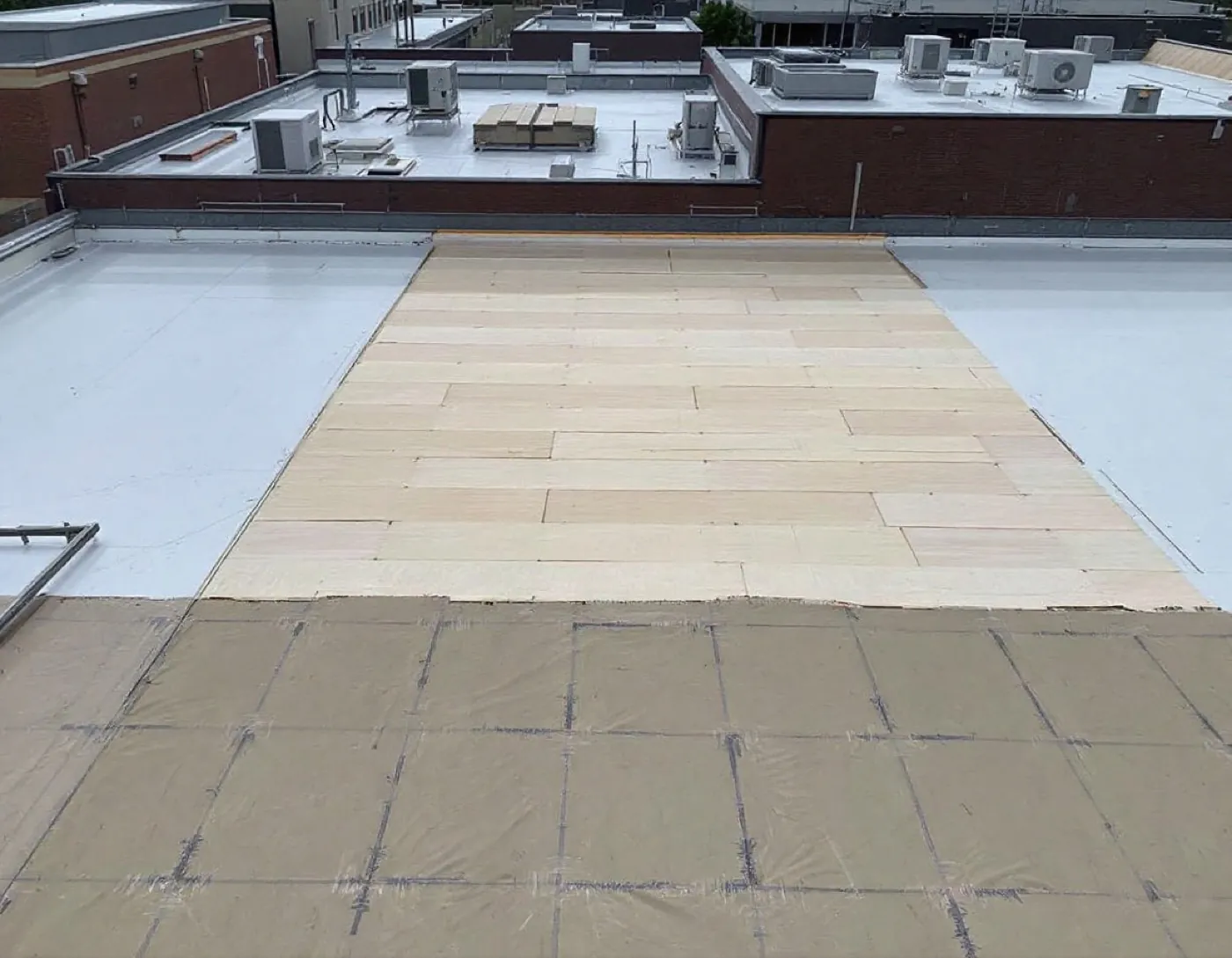
When you replace a roof, you now have two roofs on your depreciation schedule.
Only one of them exists. Under the tangible property regulations an owner may elect to treat the retirement of a structural component as a disposition and deduct its remaining undepreciated basis. Without the election, the removed component keeps depreciating alongside its replacement.
| Asset | Treatment |
|---|---|
| Original roof | Still depreciating |
| Replacement roof | Depreciating |
| Asset | Treatment |
|---|---|
| Original roof | remaining basis deducted |
| Replacement roof | Depreciating |
Valuing a component that was never separately stated
The obstacle is valuation. A roof installed years ago was almost certainly capitalized as part of a building line, not on its own. To dispose of it you have to determine what it originally cost, which is an engineering question, and the same engineering a cost segregation study performs.
We determine the original cost of the removed component using the engineering method or an accepted alternative, reduce it by the depreciation already taken, and deliver the remaining basis as a deduction schedule. Removal and demolition costs are analyzed alongside it.
When we study a renovation, the disposition analysis comes with it. The same site tour supports both.
Elected, not automatic
The partial disposition is elective, year by year. Nothing prompts it, which is exactly why it gets missed, and once the year closes the opportunity generally does too.
Made on the return for the year of disposition
Generally a timely filed return, so we work to your CPA's calendar. Tell us about a replacement in the year it happens.
Two benefits, not one
The remaining basis becomes a current deduction, and that basis leaves the building, which reduces depreciation recapture when you eventually sell.
Pairs with a renovation study
If the replacement is part of a larger project, one engagement segregates the new spend and values the retired components. Renovations and TI
Partial disposition questions
Still have a question? Ask Engineering.
Is the election required, or optional?
It is elective, made year by year. That is exactly why it gets missed: nothing prompts it, and once the year closes the opportunity generally closes too.
Why does it matter if I am replacing the component anyway?
Two reasons. You accelerate the remaining basis of the old component into a current deduction, and you remove that basis from the building, which reduces the amount exposed to depreciation recapture when you eventually sell.
Can this be combined with a renovation study?
It should be. The same site tour and the same engineering support both, so the disposition analysis comes with the renovation study.
Get a Commercial Savings Estimate
Fixed-fee proposal in 24 to 48 hours.
- Prepared by Engineering
- Lifetime audit defense
- NDAs available
Request your estimate
Estimates are prepared by our Engineering team.
Request received
Engineering will review the property and send your written estimate and proposal within 24 to 48 hours.
Preview site: this form is not yet connected, so nothing was sent.