
Renovations & Tenant Improvements
Capital improvement spend is one of the most frequently mis-capitalized populations in commercial real estate. It goes onto the ledger as one line, at the longest life, and stays there.
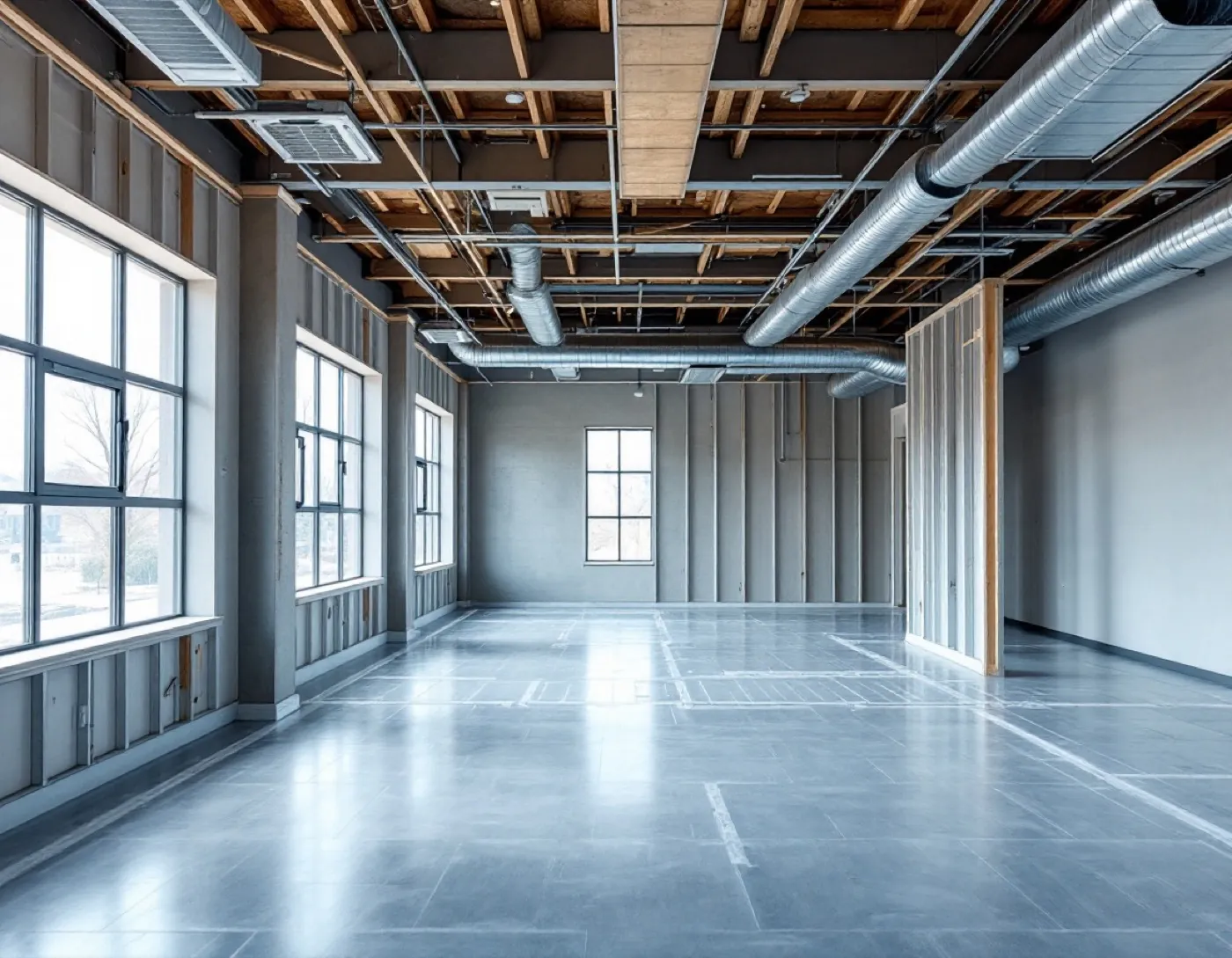
Capital improvement spend is one of the most mis-capitalized populations in commercial real estate.
A re-tenanting, a lobby repositioning, a brand-mandated hotel renovation or a full building renovation raises three tax questions at once: what is deductible now as a repair, what is qualified improvement property, and what is 5- or 7-year personal property. Answering only the first leaves money on the table.
One contractor invoice, four different tax treatments inside it.
We segregate the improvement spend into its correct recovery periods, identify qualified improvement property, and capture the partial asset disposition for whatever you removed, in the same engagement. That applies to business owners who own or lease their building too: practices, restaurants, RV parks and retailers who paid for their own build-out.
What QIP is, precisely
Broadly: an improvement to the interior of nonresidential real property, placed in service after the building itself was, that is not an enlargement, an elevator or escalator, or part of the internal structural framework.
QIP carries a 15-year recovery period and is eligible for bonus depreciation. Identifying it correctly moves a large block of interior spend out of a 39-year life even when it is not 5-year personal property.
Who owns the improvement
If the landlord funds and owns the tenant improvements, the landlord depreciates them. If the improvements belong to the tenant, they are the tenant's asset. We read the lease as part of the engagement.

What you tore out
A renovation removes as much as it adds. The build-out you demolished still has undepreciated basis on the schedule, and it can be written off in the year you removed it.
Partial asset disposition
We value the remaining basis of the components you removed so it becomes a current deduction instead of a line that keeps depreciating alongside its replacement.
Time-sensitive
The election is generally made on a timely filed return for the year of disposition. That is the strongest reason not to wait until the next renovation.
One site tour, both answers
The same engineering that segregates the new spend values the retired components. How dispositions work
Renovation and TI questions
Still have a question? Ask Engineering.
What exactly is qualified improvement property?
Broadly, an improvement to the interior of nonresidential real property, placed in service after the building itself, that is not an enlargement, an elevator or escalator, or part of the internal structural framework. QIP has a 15-year recovery period and is eligible for bonus depreciation.
We gave the tenant an allowance. Is that our asset?
It depends on the lease. If the landlord owns the resulting improvements, the landlord depreciates them. If the improvements belong to the tenant, they are the tenant's asset. We read the lease as part of the engagement.
We lease our building and paid for the build-out. Can we do a study?
Yes, on the improvements you funded and own. Owner-funded leasehold improvements are a legitimate study population for practices, restaurants, retail and other businesses that lease their space.
Can we do this on a renovation we finished a while ago?
Yes, through a look-back study. The partial disposition election for what you removed is generally time-sensitive, which is a strong reason not to wait on the next one.
Get a Commercial Savings Estimate
Fixed-fee proposal in 24 to 48 hours.
- Prepared by Engineering
- Lifetime audit defense
- NDAs available
Request your estimate
Estimates are prepared by our Engineering team.
Request received
Engineering will review the property and send your written estimate and proposal within 24 to 48 hours.
Preview site: this form is not yet connected, so nothing was sent.