
§168(n)
Qualified production property
If the building houses manufacturing or another qualified production activity, the production portion of the building itself may be deductible in the year it is placed in service. QPP studies
Ground-up construction produces the cleanest study there is. Every dollar has a line item, a drawing and a pay application behind it, so the study is built from real construction costs.
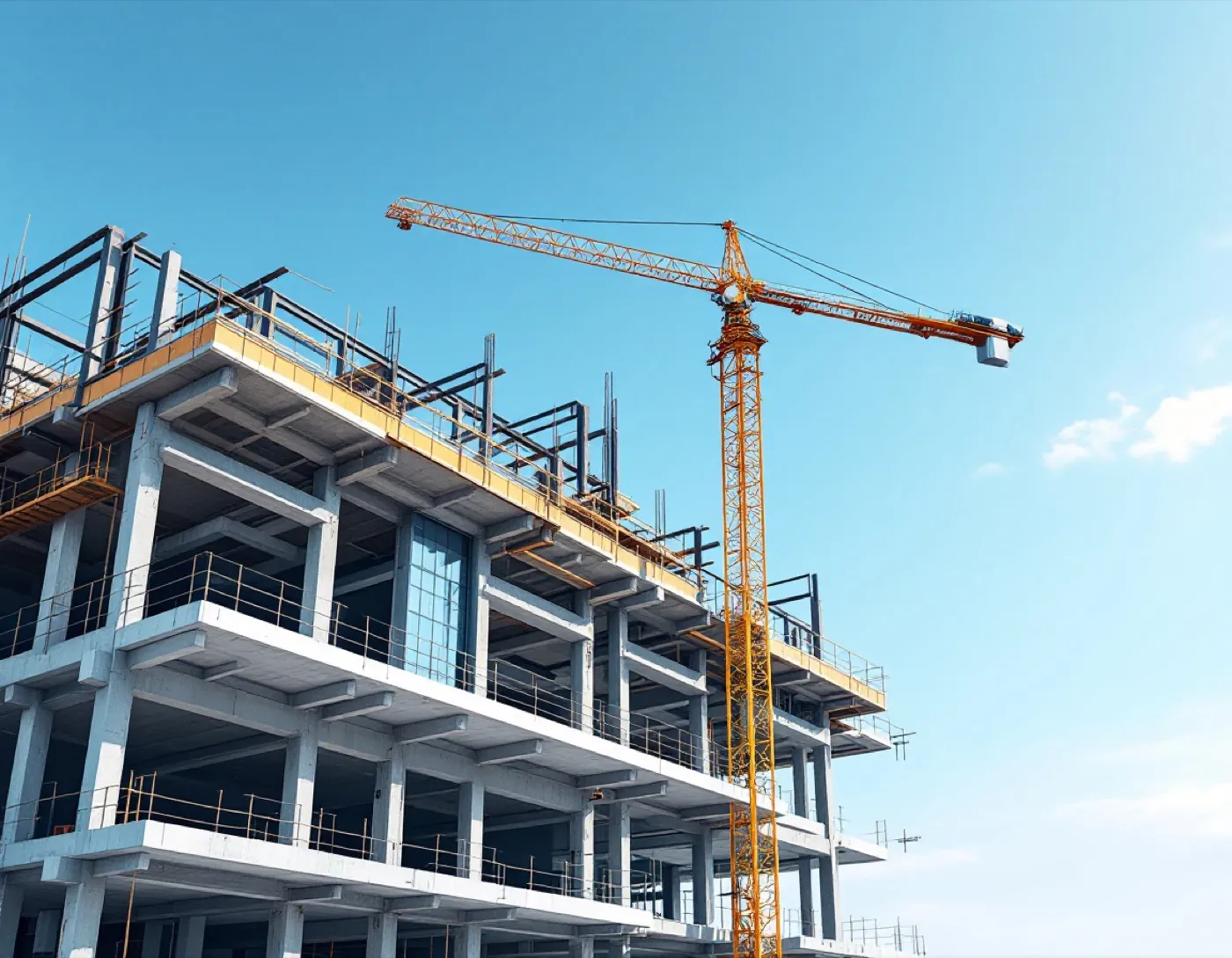
In an acquisition, Engineering has to reconstruct costs. In new construction the costs are already itemized in the contractor's schedule of values, the pay applications, the change order log and the drawing set. The study maps that documentation to recovery periods line by line.
| Line item and source | Where it goes |
|---|---|
| Sitework, paving and site utilitiesCivil drawings, pay applications | 15-year |
| Concrete and foundationsStructural drawings | structureequipment foundations |
| Structural steel and framingStructural drawings | structure |
| Roofing and envelopeArchitectural drawings | structure |
| ElectricalElectrical drawings, change orders | buildingdedicated |
| Plumbing and HVACMechanical drawings | buildingprocess |
| Interior finishesFinish schedules | decorativestructural |
| Equipment and furnishingsSchedule of values | 5-year7-year |
| General conditions, fee and soft costsPay applications | allocated |
Developers need studies built from real construction costs and timed to the placed-in-service year. Direct-cost precision matters twice: the allocation is more accurate because nothing has to be estimated, and the audit position is stronger because every classification traces to a contemporaneous construction document.
General conditions, contractor fee and soft costs are allocated across the asset classes they relate to, on a supportable basis. Ignoring them understates the short-life population; assigning all of them to the structure is equally wrong.
If you self-performed part of the work, internal labor, equipment and material records stand in for a subcontractor's schedule of values. It changes the documentation, not the method.

We can start before the certificate of occupancy. Systems that get buried in walls, above ceilings and under slab are far easier to document while they are still visible.
Process piping, dedicated electrical, equipment pads and rough-in are photographed before drywall and slab cover them.
Final pay applications and the closed change order log are mapped to recovery periods. Retainage and late changes are reconciled.
The fixed asset schedule for the year the building was placed in service, with line-item traceability behind every entry.
If the building houses manufacturing or another qualified production activity, the production portion of the building itself may be deductible in the year it is placed in service. QPP studies
For projects whose construction began on or before June 30, 2026, a separate energy deduction may apply. 179D
When components are replaced in later years, the remaining basis of what was removed can be written off. Dispositions
Still have a question? Ask Engineering.
Yes, and it is a good time to start. Systems that get buried in walls or above ceilings are far easier to document while they are still visible.
They are allocated across the asset classes they relate to, on a supportable basis. Ignoring them understates the short-life population; assigning all of them to the structure is equally wrong.
No, it changes the documentation. Internal labor, equipment and material records stand in for a subcontractor's schedule of values.
Often. Developers should look at partial asset dispositions on later renovations, qualified production property where the building houses manufacturing, and the 179D deduction for projects whose construction began on or before June 30, 2026.
Fixed-fee proposal in 24 to 48 hours.
Estimates are prepared by our Engineering team.
Engineering will review the property and send your written estimate and proposal within 24 to 48 hours.
Preview site: this form is not yet connected, so nothing was sent.