
From closing
The transaction
The closing statement and the purchase documents that set the basis. Prior returns and any existing depreciation schedule help.
You bought a building for one number. Depreciation needs that number broken into land, structure, land improvements and personal property, and the default approach leaves most of it in the longest life.
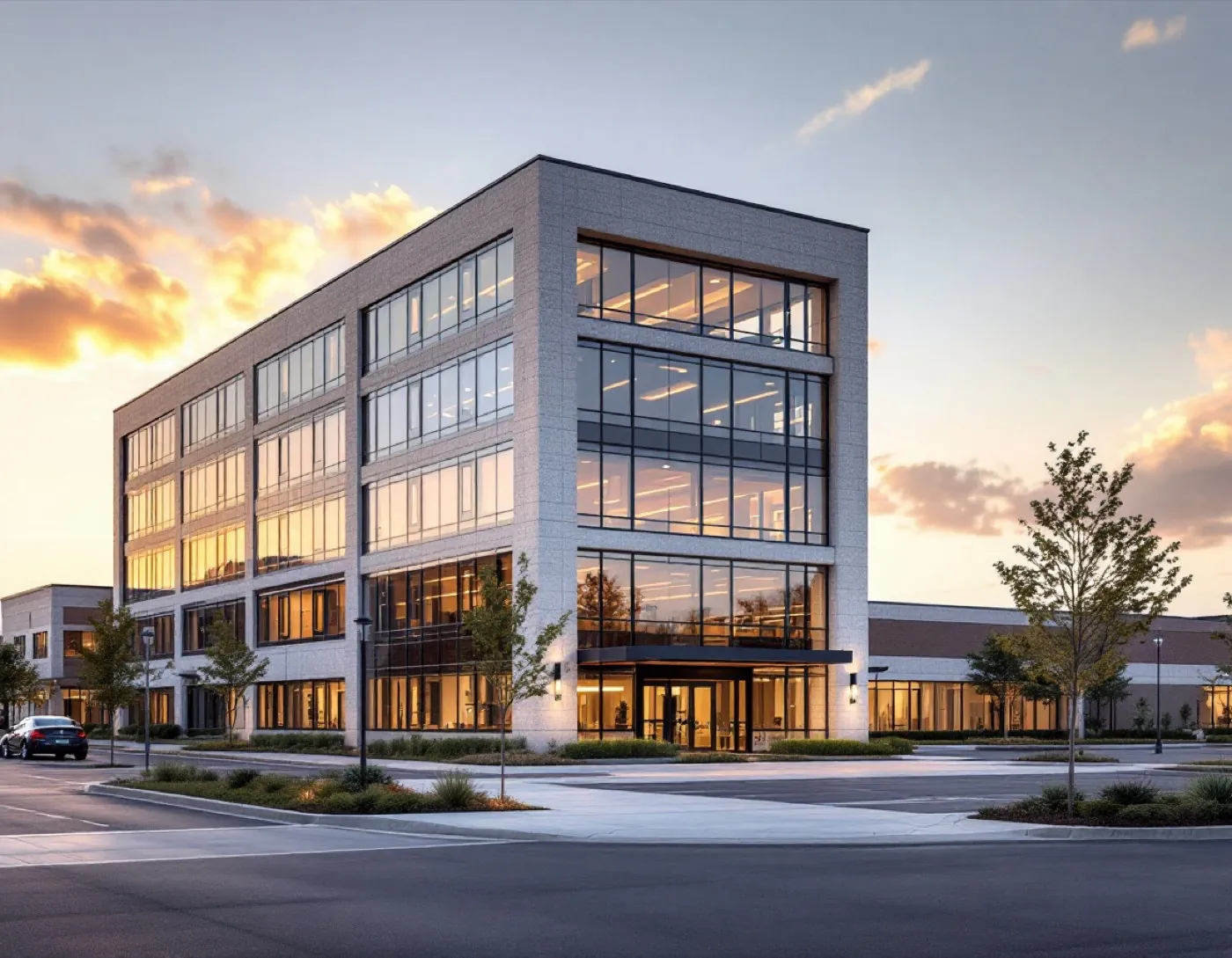
When a commercial property is acquired, the purchase price has to be allocated across every asset that came with it. Without an engineering study that allocation is usually a two-line entry: land, and everything else. Everything else then depreciates over the longest life, including paving that will be resurfaced and finishes that will be replaced long before the structure.
A study reconstructs what you actually bought. Engineering reviews the property on a virtual or onsite tour, inventories the qualifying components, prices them, and documents each classification. The residual becomes the structure. The result is a defensible allocation rather than an assumption.
An acquisition study is reconstructed from the deal documents and the property itself. Everything comes in through a secure upload, and NDAs are available for sensitive deals.
The closing statement and the purchase documents that set the basis. Prior returns and any existing depreciation schedule help.
Plans if they exist, photos, and the virtual or onsite tour where the components are identified and photographed.
The placed-in-service date, the entity that holds title and the filing calendar the schedule has to meet.
The study is most valuable on the first return that includes the property. It is not lost if that return has already been filed.
A pre-acquisition estimate puts the expected depreciation into your underwriting.
The allocation lands on the first return. For property acquired after January 19, 2025, the 5-, 7- and 15-year lines are eligible for 100% bonus depreciation.
A look-back study claims the missed depreciation through Form 3115. No amended returns.
Multiple acquisitions run as a portfolio program: every property studied the same way, with one coordinator.
Still have a question? Ask Engineering.
Ideally in the year of acquisition, so the deduction lands on the first return that includes the property. If that return has already been filed, nothing is lost: a look-back study claims the missed depreciation through Form 3115 without amending prior returns.
An appraisal allocates value for lending purposes, typically between land and improvements. It is not a component-level engineering analysis, and it does not identify the 5-, 7- and 15-year property a study is built to find.
Yes. A pre-acquisition estimate gives you an Engineering-prepared view of the depreciation a study is expected to accelerate, so it can go into your underwriting.
Our portfolio and fund programs study every property the same way, with one coordinator for the whole program.
Fixed-fee proposal in 24 to 48 hours.
Estimates are prepared by our Engineering team.
Engineering will review the property and send your written estimate and proposal within 24 to 48 hours.
Preview site: this form is not yet connected, so nothing was sent.